
When Awe Becomes Prayer: Encountering God in the World Around Us
Sunday Sermon Recap
"It's Amazing!"
When Awe Becomes Prayer: Encountering God in the World Around Us
There is a moment most of us have experienced at least once. Standing at the edge of the ocean. Sitting beneath a tree whose canopy stretches wider than we expected. Holding something small in our hands, a shell, a stone, a single flower, and finding ourselves suddenly undone by its intricacy. For just a moment, the noise of ordinary life goes quiet, and we sense something vast and alive surrounding us.
We do not always recognize these moments as prayer. But what if they are among the most honest prayers we ever offer?
A Mountain, a Mother, and the Meaning of Oneness
Rabbi Angela Warnick Buchdahl, in her book "Heart of a Stranger," recalls a childhood hike with her mother. Partway up the mountain, before anyone was allowed to eat, her mother stopped the group and issued an instruction that seemed, to a child, a little absurd. Sit. Feel the wind. Feel the rock beneath you. Be one with the mountain.
Buchdahl and her sister exchanged skeptical glances. The idea seemed more poetic than practical. But she sat. She felt the smooth stone holding her body. She noticed the wind moving through her hair and through the branches above her at the same moment. She looked at the tree and recognized that the tree and the mountain were one. She looked at the snow and recognized that even something as temporary as snow belonged, in that moment, to the mountain entirely.
And then something shifted. She realized that if someone were looking at that mountain from a distance, they would see her too. She was part of what the mountain was, at least in that moment. She was not separate from it.
This realization opened a prayer she had recited her entire life. The Shema, the ancient Jewish declaration that God is one. As a child, she had understood this as a statement of superiority. Our God is the greatest. But on that mountain, she began to understand oneness differently. Not preeminence. Wholeness. Interconnectedness. The tree is distinct from the stone. The snow is distinct from the wind. And yet each belongs within something larger. Each is held within the life of a God whose oneness is not about ranking but about the profound unity of all that exists.
The Vineyard and the God Who Keeps Returning
This same tension between belonging and resistance runs through one of Jesus' most striking parables, found in Matthew 21, verses 33 through 46.
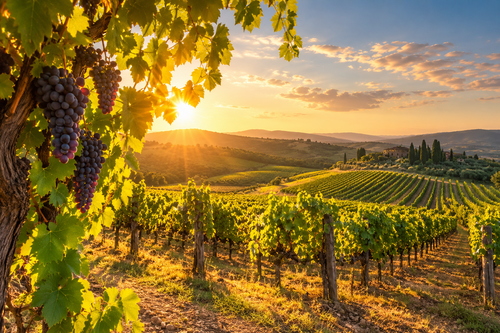
A landowner plants a vineyard with extraordinary care. He builds a wall to protect it, digs a wine press in anticipation of harvest, and constructs a watchtower so that danger can be seen from a long way off. Everything necessary for the vineyard to flourish is already in place. He then entrusts it to tenant farmers and goes away.
When harvest time comes, he sends servants to collect the fruit. The tenants beat them, kill some, and stone others. He sends more servants. The same thing happens. Finally, he sends his own son, reasoning that surely they will respect him. The tenants see the son coming and decide that if they kill the heir, they can claim the inheritance for themselves. They throw him out of the vineyard and kill him.
Jesus then asks the religious leaders listening to him what the vineyard owner will do. They answer immediately: he will destroy those wicked tenants and give the vineyard to others who will produce its fruit. They understand the logic of the story perfectly. What they fail to see is that they are living inside it.
What is remarkable about this parable is not the violence. It is the patience. The landowner sends servant after servant. Every act of betrayal is met with another outstretched hand, another invitation to return to the relationship that made life in the vineyard possible in the first place. God keeps reaching toward people even when people keep turning away. The servants come. Then more servants. Then the son himself. Each arrival is another opportunity. Each one is refused.
The religious leaders in the story have become so focused on controlling the vineyard that they can no longer see the one who planted it. Their grip on what they believe is theirs has closed them off to the very God who entrusted it to them.
The Stone That Became the Cornerstone
Jesus closes the parable by quoting from Psalm 118. The stone that the builders rejected has become the cornerstone. The Lord has done this, and it is amazing in our eyes.
These words carry enormous weight. The people who were dismissed, overlooked, or considered too ordinary to matter, fishermen, women, tax collectors, those who had been sick or sidelined, were precisely the people gathering around Jesus. They were the ones responding to the invitation the religious leaders kept refusing. God keeps finding people willing to say yes. And the result, every single time, is something that can only be described as amazing.
Making Room for Awe
Buchdahl's mother understood something that Jesus' parable also teaches. The way we inhabit the world matters. When we allow ourselves to be genuinely present to creation, to the stone beneath us, the wind around us, the life moving in the water below us, something begins to shift. The boundaries of self become a little more permeable. We begin to sense our place within something much larger than our own concerns and ambitions.
This is not passive. Awe changes us. It changes how we listen. It changes how we hold what we have. It changes how we see the person beside us and the stranger whose story is nothing like ours.
On this World Communion Sunday, people gather around Christ's table in places they will never see, praying in languages they do not understand. Different customs, different experiences, different lives. And yet one table. One God whose oneness is not about uniformity but about the breathtaking wholeness of a creation held together in love.
This week, find five minutes. Sit outside, or near a window, or beside a plant. Feel what supports your body. Notice the light and the air and the movement around you. Let the wonder of it draw you somewhere deeper.
You may find yourself feeling very small. And in that smallness, you may discover that you are not alone, that you have never been alone, and that the God who planted the vineyard and sent servant after servant and raised the rejected stone to the cornerstone has been reaching toward you all along.
The Lord has done this. And it is amazing in our eyes.
There is a moment most of us have experienced at least once. Standing at the edge of the ocean. Sitting beneath a tree whose canopy stretches wider than we expected. Holding something small in our hands, a shell, a stone, a single flower, and finding ourselves suddenly undone by its intricacy. For just a moment, the noise of ordinary life goes quiet, and we sense something vast and alive surrounding us.
We do not always recognize these moments as prayer. But what if they are among the most honest prayers we ever offer?
A Mountain, a Mother, and the Meaning of Oneness
Rabbi Angela Warnick Buchdahl, in her book "Heart of a Stranger," recalls a childhood hike with her mother. Partway up the mountain, before anyone was allowed to eat, her mother stopped the group and issued an instruction that seemed, to a child, a little absurd. Sit. Feel the wind. Feel the rock beneath you. Be one with the mountain.
Buchdahl and her sister exchanged skeptical glances. The idea seemed more poetic than practical. But she sat. She felt the smooth stone holding her body. She noticed the wind moving through her hair and through the branches above her at the same moment. She looked at the tree and recognized that the tree and the mountain were one. She looked at the snow and recognized that even something as temporary as snow belonged, in that moment, to the mountain entirely.
And then something shifted. She realized that if someone were looking at that mountain from a distance, they would see her too. She was part of what the mountain was, at least in that moment. She was not separate from it.
This realization opened a prayer she had recited her entire life. The Shema, the ancient Jewish declaration that God is one. As a child, she had understood this as a statement of superiority. Our God is the greatest. But on that mountain, she began to understand oneness differently. Not preeminence. Wholeness. Interconnectedness. The tree is distinct from the stone. The snow is distinct from the wind. And yet each belongs within something larger. Each is held within the life of a God whose oneness is not about ranking but about the profound unity of all that exists.
The Vineyard and the God Who Keeps Returning
This same tension between belonging and resistance runs through one of Jesus' most striking parables, found in Matthew 21, verses 33 through 46.
A landowner plants a vineyard with extraordinary care. He builds a wall to protect it, digs a wine press in anticipation of harvest, and constructs a watchtower so that danger can be seen from a long way off. Everything necessary for the vineyard to flourish is already in place. He then entrusts it to tenant farmers and goes away.
When harvest time comes, he sends servants to collect the fruit. The tenants beat them, kill some, and stone others. He sends more servants. The same thing happens. Finally, he sends his own son, reasoning that surely they will respect him. The tenants see the son coming and decide that if they kill the heir, they can claim the inheritance for themselves. They throw him out of the vineyard and kill him.
Jesus then asks the religious leaders listening to him what the vineyard owner will do. They answer immediately: he will destroy those wicked tenants and give the vineyard to others who will produce its fruit. They understand the logic of the story perfectly. What they fail to see is that they are living inside it.
What is remarkable about this parable is not the violence. It is the patience. The landowner sends servant after servant. Every act of betrayal is met with another outstretched hand, another invitation to return to the relationship that made life in the vineyard possible in the first place. God keeps reaching toward people even when people keep turning away. The servants come. Then more servants. Then the son himself. Each arrival is another opportunity. Each one is refused.
The religious leaders in the story have become so focused on controlling the vineyard that they can no longer see the one who planted it. Their grip on what they believe is theirs has closed them off to the very God who entrusted it to them.
The Stone That Became the Cornerstone
Jesus closes the parable by quoting from Psalm 118. The stone that the builders rejected has become the cornerstone. The Lord has done this, and it is amazing in our eyes.
These words carry enormous weight. The people who were dismissed, overlooked, or considered too ordinary to matter, fishermen, women, tax collectors, those who had been sick or sidelined, were precisely the people gathering around Jesus. They were the ones responding to the invitation the religious leaders kept refusing. God keeps finding people willing to say yes. And the result, every single time, is something that can only be described as amazing.
Making Room for Awe
Buchdahl's mother understood something that Jesus' parable also teaches. The way we inhabit the world matters. When we allow ourselves to be genuinely present to creation, to the stone beneath us, the wind around us, the life moving in the water below us, something begins to shift. The boundaries of self become a little more permeable. We begin to sense our place within something much larger than our own concerns and ambitions.
This is not passive. Awe changes us. It changes how we listen. It changes how we hold what we have. It changes how we see the person beside us and the stranger whose story is nothing like ours.
On this World Communion Sunday, people gather around Christ's table in places they will never see, praying in languages they do not understand. Different customs, different experiences, different lives. And yet one table. One God whose oneness is not about uniformity but about the breathtaking wholeness of a creation held together in love.
This week, find five minutes. Sit outside, or near a window, or beside a plant. Feel what supports your body. Notice the light and the air and the movement around you. Let the wonder of it draw you somewhere deeper.
You may find yourself feeling very small. And in that smallness, you may discover that you are not alone, that you have never been alone, and that the God who planted the vineyard and sent servant after servant and raised the rejected stone to the cornerstone has been reaching toward you all along.
The Lord has done this. And it is amazing in our eyes.
No Comments